
GOOD NEWS: Fast Track Panel Rejects Seabed Mining Bid
Open article

Post publication 12-February: The fast-track panel didn’t reject the application based on environmental concerns alone but because TTR didn’t update most of its application and relied on 9 year old data, such was its hubris around the invitation
Press Release: Kiwis Against Seabed Mining (KASM)
KASM are celebrating the Fast Track Panel’s draft decision to decline Trans Tasman Resources’ bid to mine the South Taranaki seabed.
The draft decision was published at 6pm this evening.
“This is a victory for the moana, for all the people across Taranaki and Aotearoa, from Iwi and hapu and councils and everyone who loves our ocean,” said KASM chairperson Cindy Baxter.
“We’ve been fighting this ridiculous proposal since 2013, all the way to the Supreme Court, and back to the Fast Track, and it doesn’t matter how many times the government tries to help this company with ever more lenient legislation, it simply doesn’t pass muster.”
“This activity has been shown time and time again to be utterly inappropriate in the 21st century and it’s time for Aotearoa to move to a full ban on seabed mining.”
Excerpts from decision
Sections 23 and 24:
“The South Taranaki Bight is an ecologically important area for marine mammals, including twelve threatened taonga species. The Panel has identified underwater noise, sediment plume effects, and cumulative impacts as credible risks and has found that for highly vulnerable species any additional impact would be unsustainable and cannot be reliably avoided or remedied through conditions.”
“The Panel has reached the view that the adverse impacts ...are sufficiently significant to be out of proportion to the project’s regional or national benefits.”
End press release
Baxter was asked how the decision moves from “draft” to final and gave the following answer:
“They have to give Trans Tasman Resources time to comment/ suggest conditions by February 19/20 then will publish final decision after that. But it's a comprehensive decision, well-argued, backed by a heap of evidence, and we consider it's very unlikely to be reversed.”
The decision document is listed here: DRAFT DECISION
Background
As a reminder, the Australian company wanted to mine 50 million tonnes of seabed - dumping 45 million tonnes back - off our Taranaki Coaast for 30 years. The area is home to 30 mammals including endangered blue whales & Māui’s dolphins.
At one point, TTR’s boss admitted the giant crawler will destroy the seabed. The practice also produces considerable sediment plumes, not easily controlled and which can blanket organisms and life, and destroy habitats.
Although the company claimed in their application they would bring $1bn a year to the NZ economy, after selection, they retracted the statement.
*RNZ’s filing tonight did not report on the retraction
According to NZ Geographic, local species such as Māui dolphins are already in “deep trouble”, numbering only ~100 and classified as critically endangered.
Seabed mining is considered “an avoidable environmental disaster” and the application was heavily opposed.
TTR had also been rejected by the country’s Supreme Court in 2021 after earlier being rejected by the Environmental Protection Authority (EPA) and the the High Court, Court of Appeal.
But the Australian company has been persistent despite almost 10 years of failure - retrying again soon after.
In 2024, they withdrew from the standard processes with the Environmental Protection Authority (EPA) after being invited to apply for Fast-Track by Minister Chris Bishop.
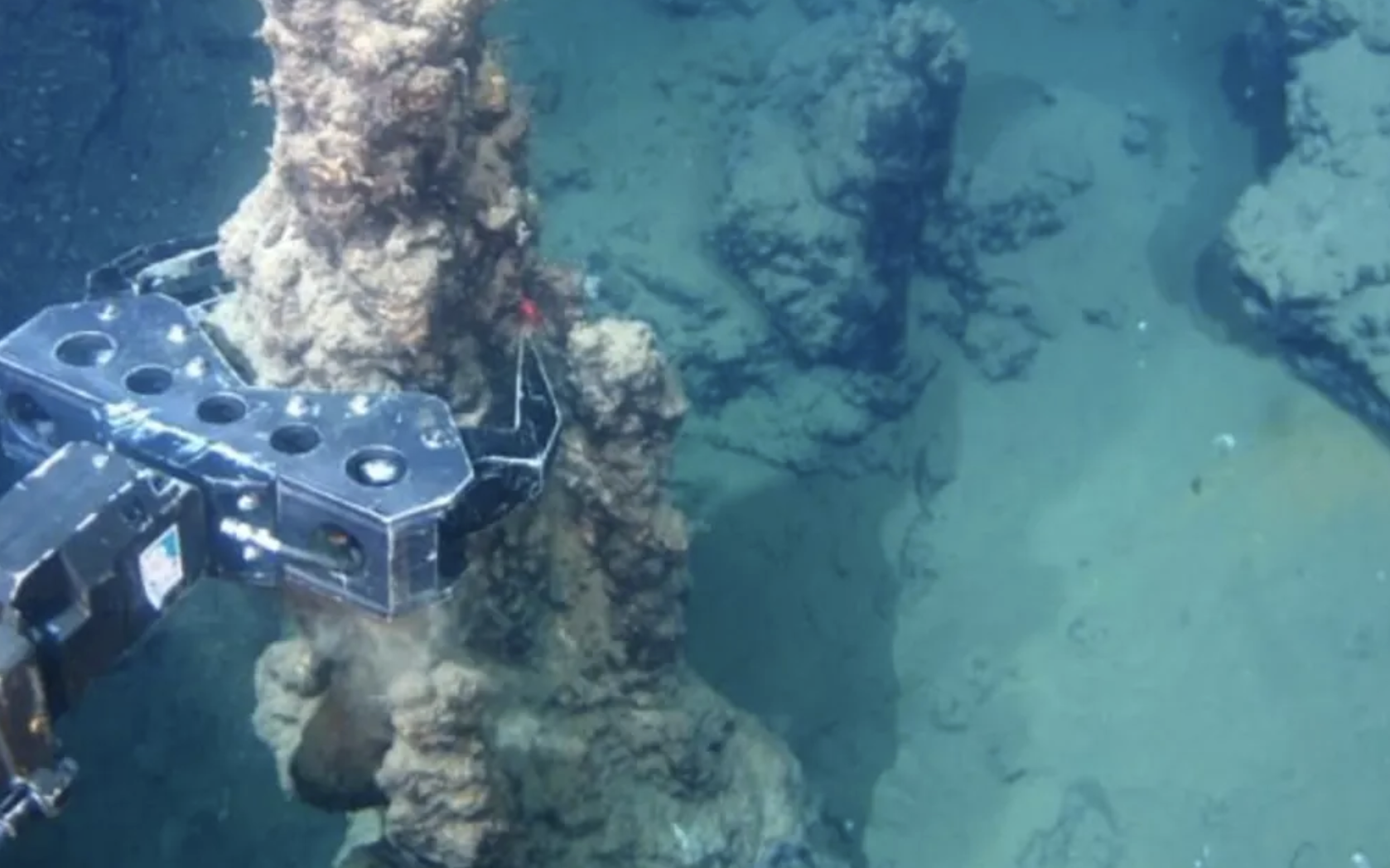
“If mining was the panacea to the economic issues of the Pacific, we’d have solved all our problems long ago. Instead the environmental and social impacts of mining have made our peoples poorer,” Ms Duituturaga said.
Pacific Islands Association of Non-Government Organisations
Comment
Finally, some good news at last and an immense win for the environment and natural resources of the country !
Have a great evening, folks, and immense credit and thanks to KASM, local Iwi and hapū, Greenpeace, Caritas Aotearoa New Zealand, scientists, Environmental Protection Authority (EPA), and the many community groups and Kiwis who contributed.
Tūī