RBNZ urges Kiwis to open wallets to help the economy. Plus: NZ National Party's Big Debt Myth
National and its affiliates continue to attack Labour's debt record during Ardern's tenure, including Covid, but why are they so quiet about John Key's $50 billion debt contribution?
Opinion and analysis - open to all. Note: Net interest has been added below i.e. interest paid minus interest received
First the big debt lie
National’s strongest ammunition in this election is their big lie, fanned by their affiliates, that Labour were “irresponsible” and “ruined the country'“ with apparently ruinously high levels of debt.
If you ask many Kiwis, they still believe it.
I’ve written at length about this topic over the last year, but another angle I’d like to share is the graph below to 2023 or so.
 Mountain Tūī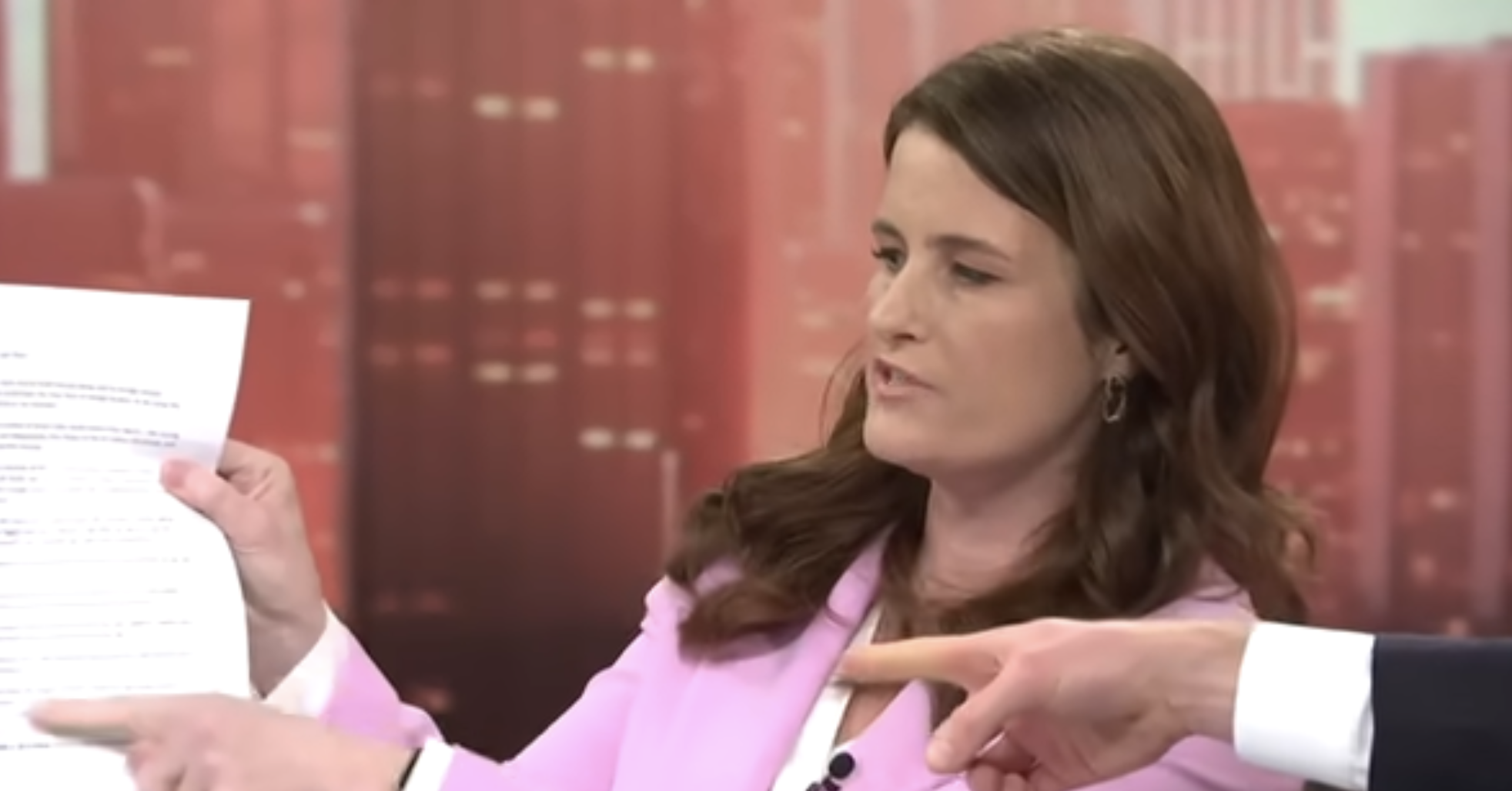
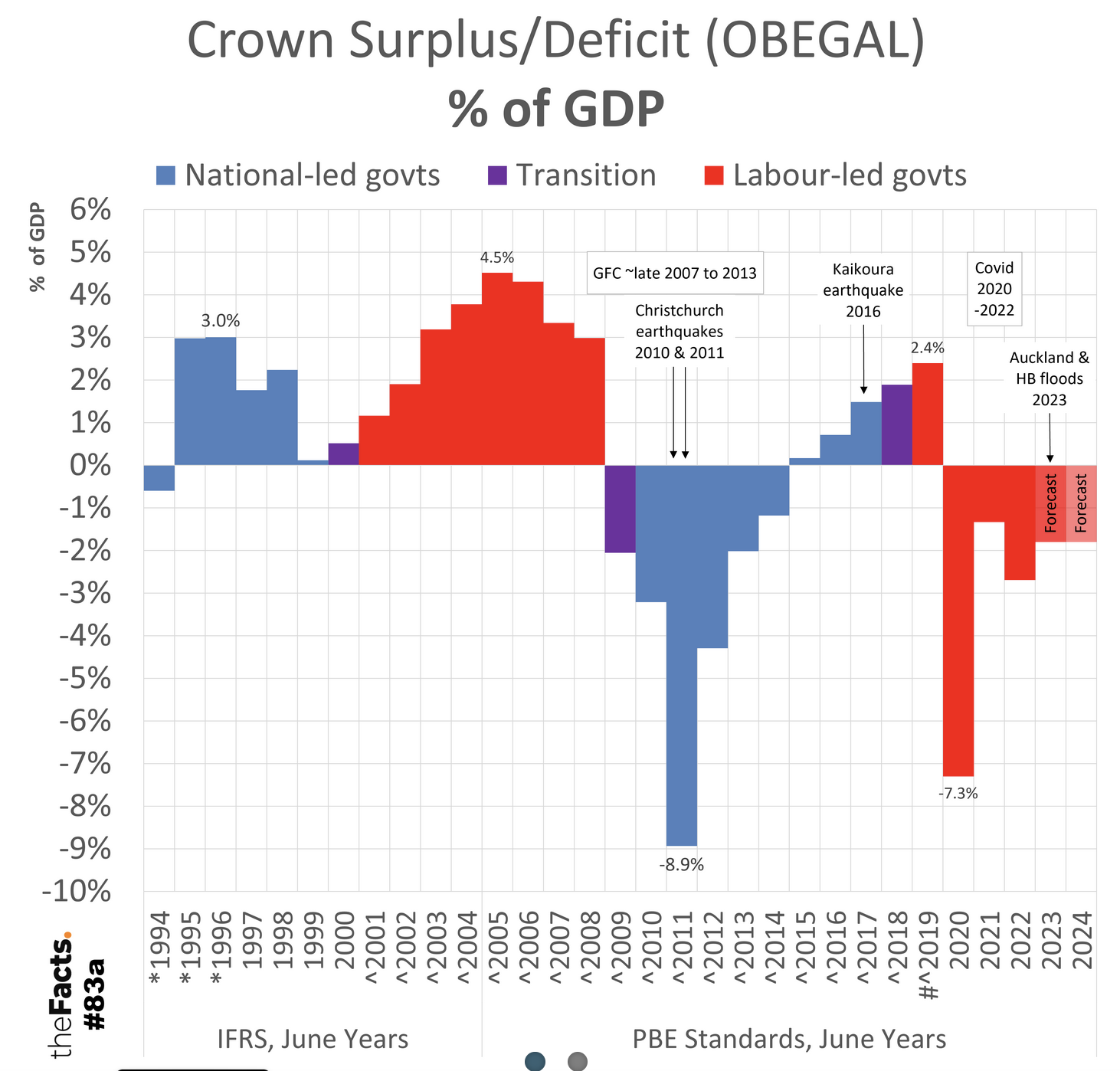
This shows that all recent governments, Labour (Red) and National (Blue), have experienced deficits and surpluses, and by itself it’s relatively inconsequential as a story.
Governments function to look after the current and future well being of a country.
Fiscal policy (government spending & taxation to enact goals) is just a normal part of government business.
Context is what matters.
And while, for example, we see Helen Clark’s Labour government not only ran 9 consecutive surpluses, but established NZ Super and Kiwisaver for future generations, John Key increased debt by about $27 million a day, adding $50 billion to the national debt level.
Key did this while privatising national electricity gentailers leading to a significant drop off in renewables investments, and Kiwis suffering the tail end price hikes from that decision.
In comparison, Jacinda Ardern ran fairly modest surpluses until Covid hit, upon which her entire term’s debt tallied up to ~$85 billion over six years, over 70% of that spent during Covid.
i.e. Like all developed countries Labour swung hard to saving lives, hiring health workers, purchasing PPP equipment, and keeping the economy afloat - even as global inflation hit 10% and fears of economic depression spread across the globe.
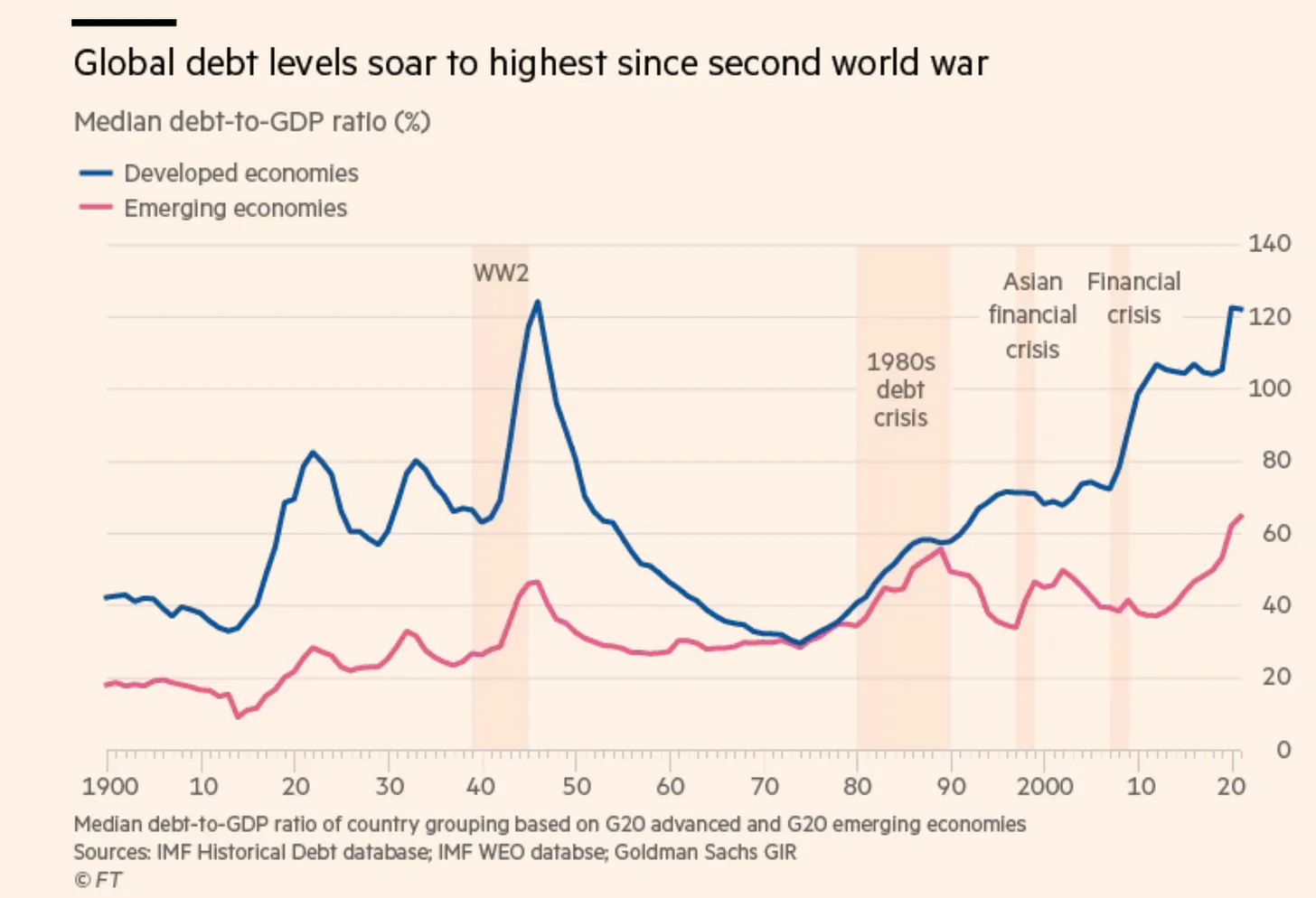
i.e we weren’t unique but even then, Labour kept New Zealand at the lower end of the OECD debt to GDP ratio, for the most ardent of critics.
It’s important here to recognise that debt is not a negative in and of itself anyway.
And context is king - we really can’t separate where we are in a national debt conversation.
Yet the entire debate has been continually hijacked to suggest that debt is always bad.
It is not.
We all use debt to increase our future capacity, standards of living, and wealth.
That’s why businesses operate with debt instinctively and call it “investment”.
Households borrow to create a sleepout or buy a first home or repair a roof.
Likewise, a government’s function entails “investment” - whether that is in people, infrastructure, well being or health.
Do we want a country to invest in our future or to let it devolve while decrying failing cities, towns, seeing our children / friends / colleagues leave for overseas, and sewerage in our water?
In context also entails looking at our repayment capacity, what we utilise it for etc.
But debt is a natural and appropriate function of government.
Central governments can also borrow at extremely low interest rates in comparison to councils, private corporations, and individuals - so there is an immediate economic benefit for central government to incur debt when and as necessary.
And yet at a time when NZ’s local government debt across Councils is among the highest in the developed world - 180% of gross operating revenue on average, and forecast to rise further to 350 % - while being on the hook to maintain water, roads and earthquake strengthening, National has passed laws to allow Councils to carry more debt at higher interest rates while also telling them they can’t increase rates much.
And the annual interest charge of around ~$9 billion for our national gross debt is, remnants from current and past governments including John Key, and Nicola Willis, as well as Labour, and while National and their affiliates fear monger about gross debt tallies to ~2% of New Zealand’s annual income, $445 billion.
But as pointed out, interest received $7.039 billion to the year end June 30, 2025 reveals:
Interest paid $9.804 billion, interest received $7.039 billion = net interest $2.765 billion.= net interest $2.765 billion.
That’s now 0.6% interest
If National were competent and a serious government, they would focus on retaining our best and brightest, investing in science and climate innovation, supporting industries and jobs and understanding productivity drivers - not complaining about an effective 0.6% interest charge that is easily supported on any given day.
Whether NZ was right to make that call to save lives and invest in our future is up to Kiwis to answer.
The real question is why National never attacked John Key for his debt, but somehow Labour, while keeping us at the lowest ends of OECD debt levels and saving 20,000 lives, apparently “ruined the country” while being used as a smokescreen for National’s incompetence and economic mismanagement.
The myth is huge and deserves to be addressed head on.
It’s being actively fanned every day.
If you see that misinformation, call it out, ask questions, and explain calmly.
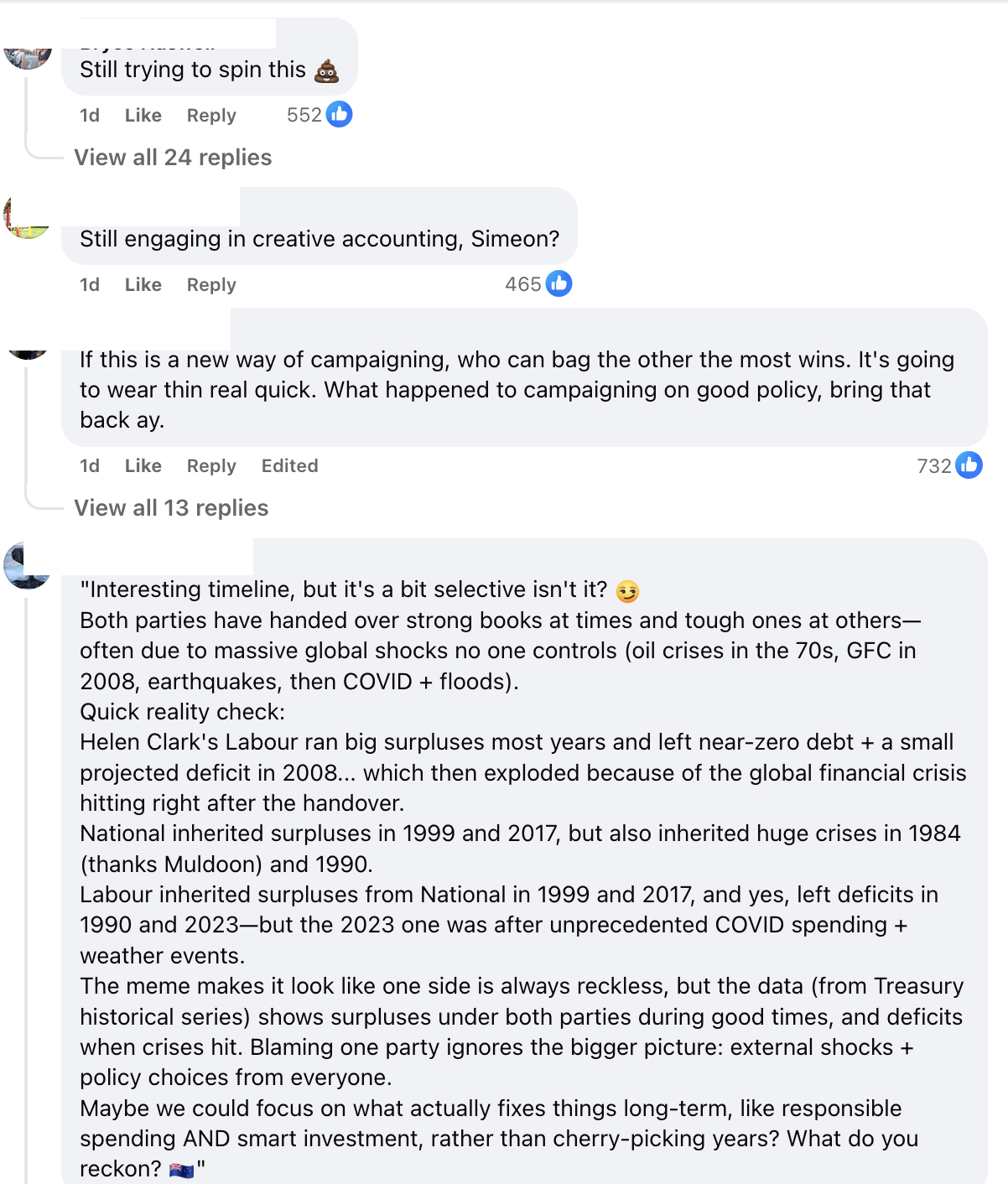
Plenty did on this recent Simeon Brown post that I personally consider to be rubbish.1
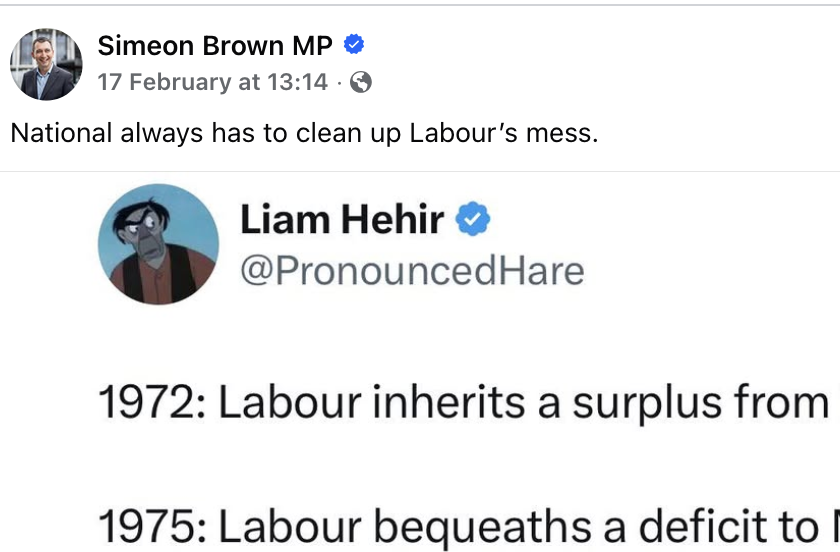
Fact: In 1975, National’s Muldoon government cancelled NZ Super by fearmongering to Kiwis that it was “socialist”. That decision to cancel NZ Super has been called “NZ’s worst economic decision, ever” and had it not been cancelled, NZ would be wealthier than Australia
RBNZ urges Kiwis to open their wallets
RBNZ has urged Kiwis to stop being conservative and open their wallets.
Chief Economist Paul Conway is on record as saying:
“[We] do need households to stop being cautious and get out and spend if we want to see the recovery continue to broaden."
RBNZ’s assessment is that house prices would continue to be subdued over the next year, and while new Governor Dr Anna Breman is clear her core remit is being “laser focused on” inflation, it’s also very clear that she and the bank want to ensure monetary policy doesn’t impede any recovery.
“There were no plans to hike the OCR until there were signs of a stronger economy” - Breman

It’s interesting to see how much weight the RBNZ2 is putting on its role for an economic recovery.
Economic recovery traditionally relies on fiscal policy i.e. government spending and taxation.
And a central bank’s core remit revolves centrally around inflation first and other areas such as financial system stability.
But here, we see a lopsided burden on New Zealand’s central bank to manage both inflation and the economy.
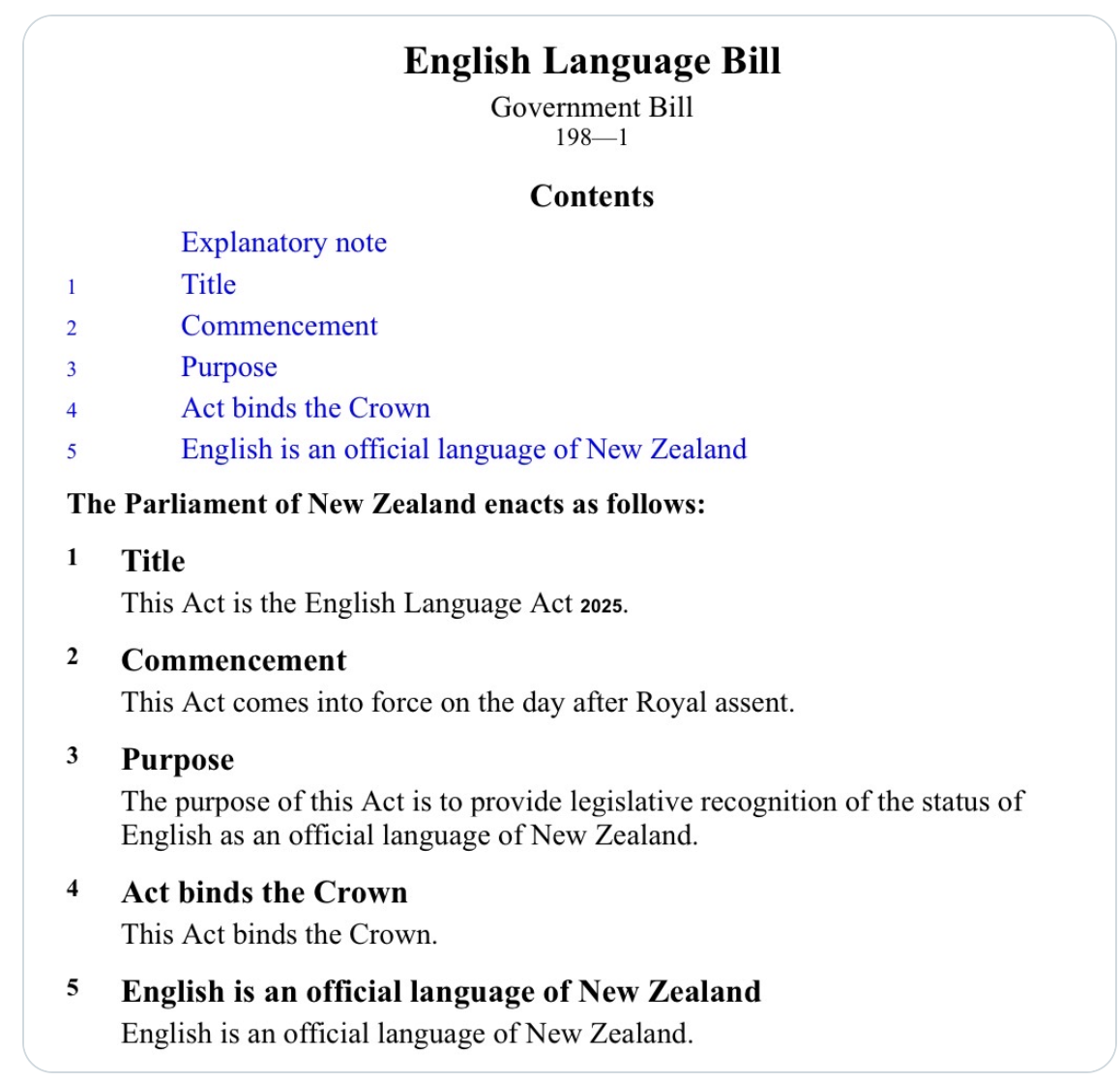
Meanwhile we have the National, ACT and NZ First government largely ignoring the cost of living, and economic crisis, while passing ludicrous priorities like the English Language Bill.3
RBNZ’s plea is a hard ask when so many Kiwis are feeling the pressure from a cost of living crisis though.
Inflation continues to rise and according to Craig Renney, energy prices are up 23% since 2023 and up 11.5% this year alone!
Anyone who needs a coffee to digest this will find that up 8.2% too.
The employment market also remains depressed.
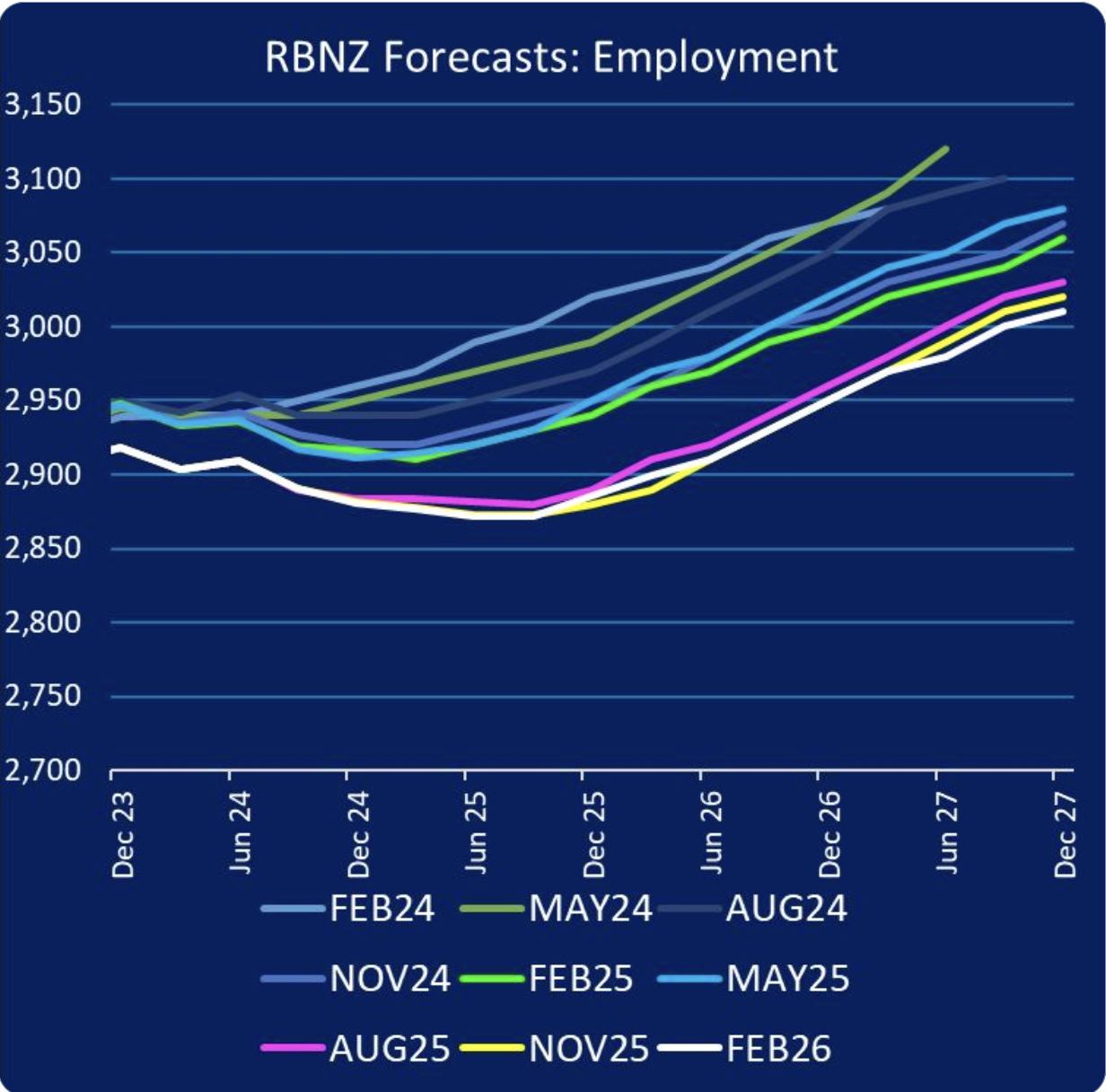
A couple of days ago, TradeMe confirmed that listings fell 19% in the last quarter of 2025, compared to the prior year while annual salary growth continues to trail inflation
i.e. many workers are receiving effective pay cuts.
And even among all this, ACT focuses on gutting worker protection laws with warning us:
“[These employment laws] set up a situation where every worker in NZ could be called a "specified contractor [ and the associated loss of sick leave, annual leave, fair dismissal procedures etc] ”
Workers aren’t going to be feeling safe or secure and with that, they are unlikely to open up their wallets promptly.
It has baffled me for a while now that New Zealand commentators, including on TVNZ 1News, frequently position RBNZ as arbiters and leaders of economic recovery when traditional economic policy relies on both government spending (fiscal policy) and monetary policy.
Paul Bloxham, HSBC’s Chief Economist, fell over himself last year to avoid mentioning the role of fiscal policy as New Zealand’s GDP continued to fall on National’s watch -
 Mountain Tūī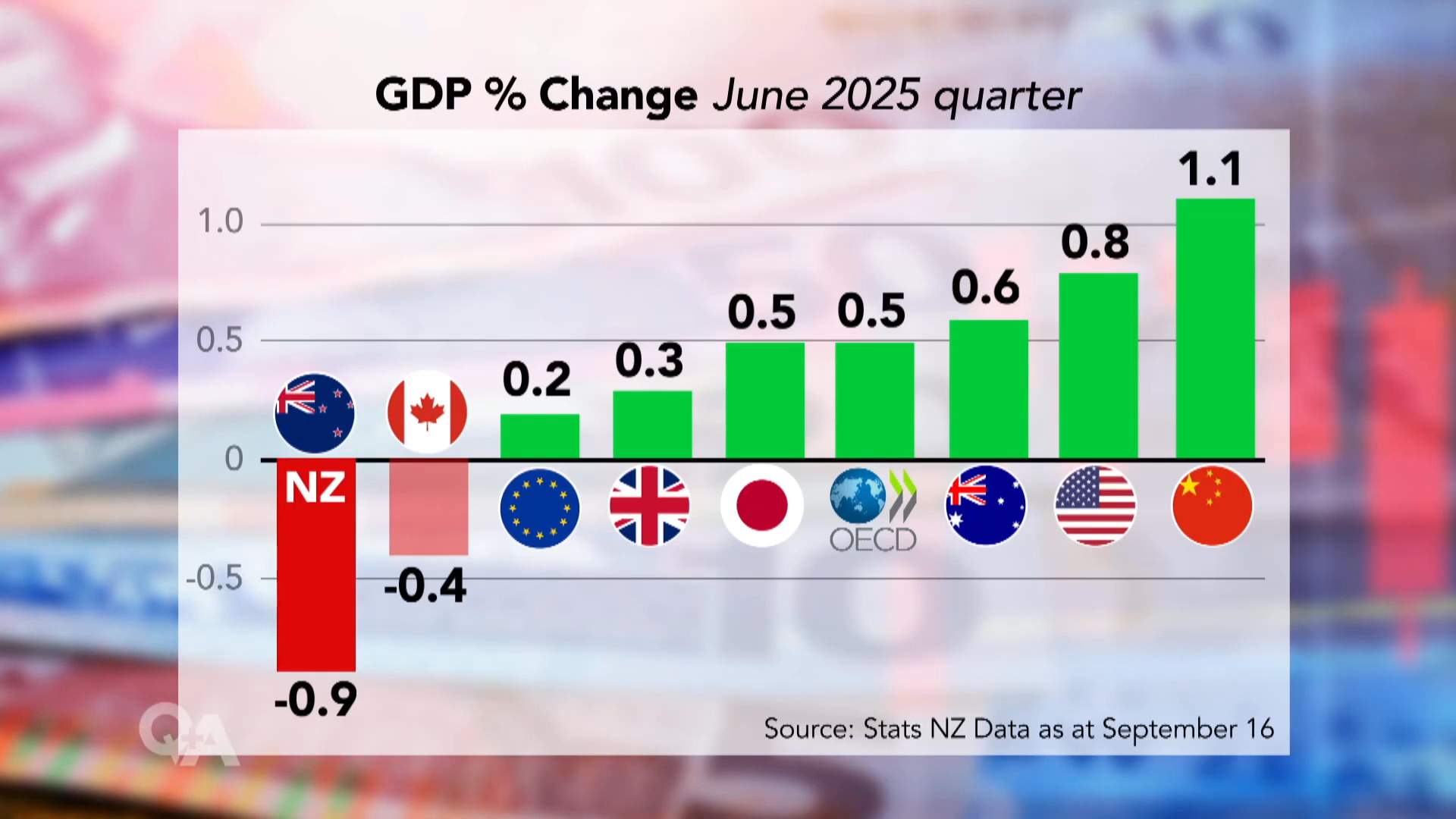
RBNZ are pleading for Kiwis to open their wallets and help with the economic recovery.
But I suspect it’s not a question of will, but a question of capacity - driven by central government policy decisions and focus.
Thanks for reading today, folks.
Tui
Some responses to Brown’s post as readers react to the Simeon Brown’s “spin” and “selective” “creative accounting”.
“s ↩
Readers of Mountain Tūī may remember that one of the first things National did when they formed government was to remove the RBNZ’s dual mandate of employment and inflation.
In essence, that meant RBNZ no longer had to consider impacts on employment in its approach to managing inflation. ↩
In fact, National see that this is important enough to be shepherded through by a senior Cabinet Minister. In this case, Paul Goldsmith, who, fresh from the latest bout of protecting the $230,000 a year, headline inducing Sunny Kaushal, may have some more time on his hands.
As explained in this RNZ article countries don’t typically legislate languages that are already the dominant language. Australia, for example, does not have a English Language Law.
It won’t change much in practice either, and it’s questionable judgement from a government as the country reels from multiple States of Emergency, flailing infrastructure maintenance e.g. 3 Waters, bridges, roads, significant brain drain, and an economic downturn that is persistent and widespread. ↩