
Why would New Zealand disestablish the Ministry of Environment?
Plus: Why James Shaw was right

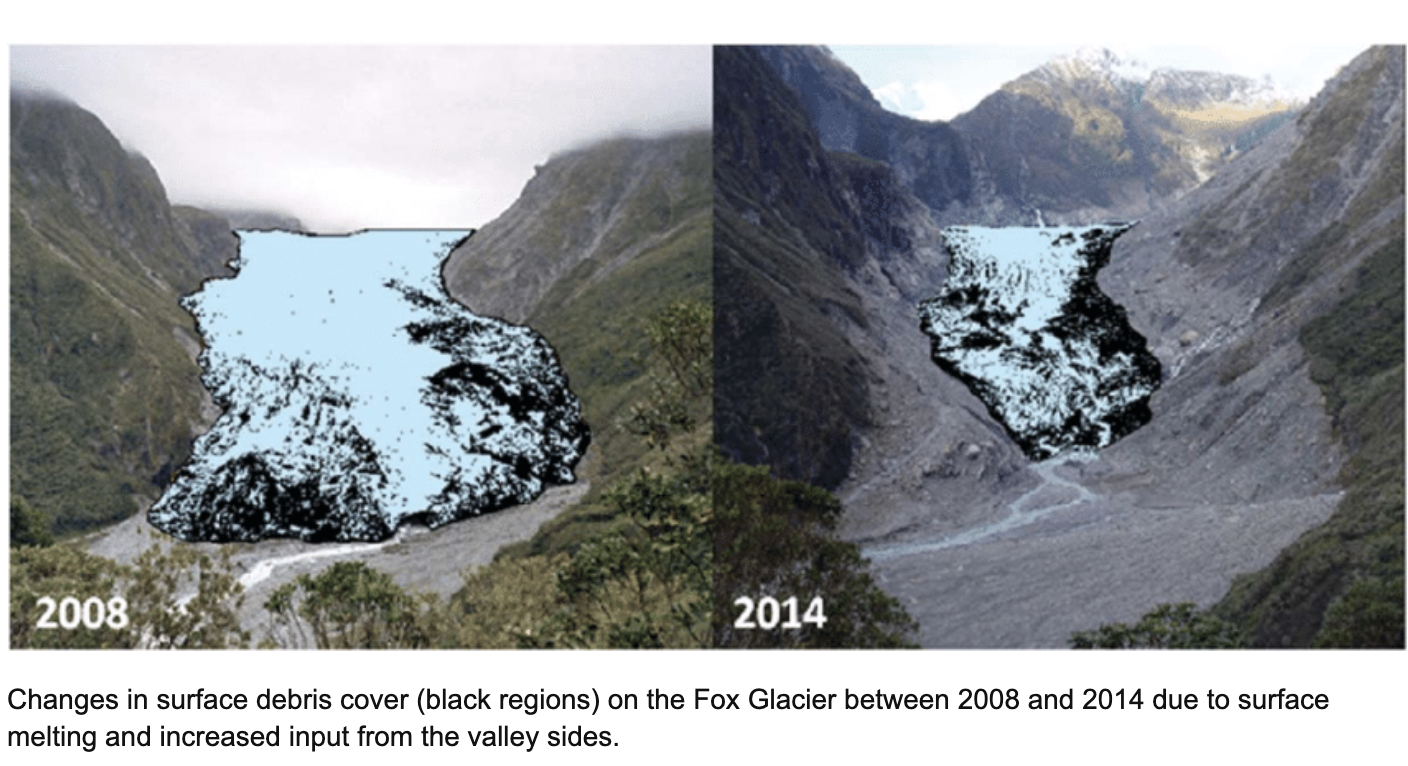
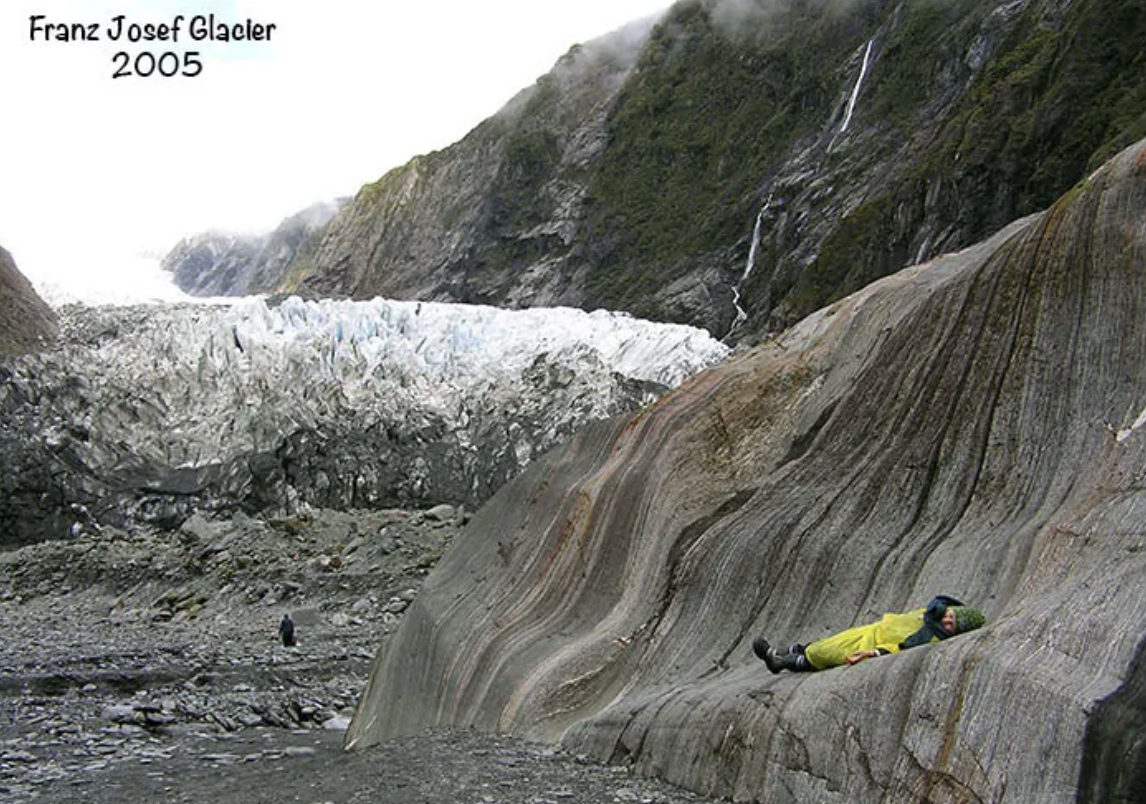
Last month I pointed out that Aotearoa New Zealand has lost almost 1/3 of its glaciers since 2000.
i.e. Within 25 years, those critical glaciers are shrinking at highly accelerated rates.
Bloomberg called the rate “confronting”.
And in 2023, NIWA’s chief scientist noted:
“This year’s observations do not suggest a reprieve or a reversal of the ongoing ice loss trend.
If current trends continue, we will see further contraction of snow and ice to only the highest places.”
The UN Environmental Program explains why we should even care.
“Glaciers are among the planet’s most vital yet vulnerable ecosystems.
Found on every continent, they store about 70 per cent of the world’s fresh water that’s held in ice in the colder months and released in warmer seasons, sustaining rivers, agriculture, hydropower and many forms of life – from plants to animals.
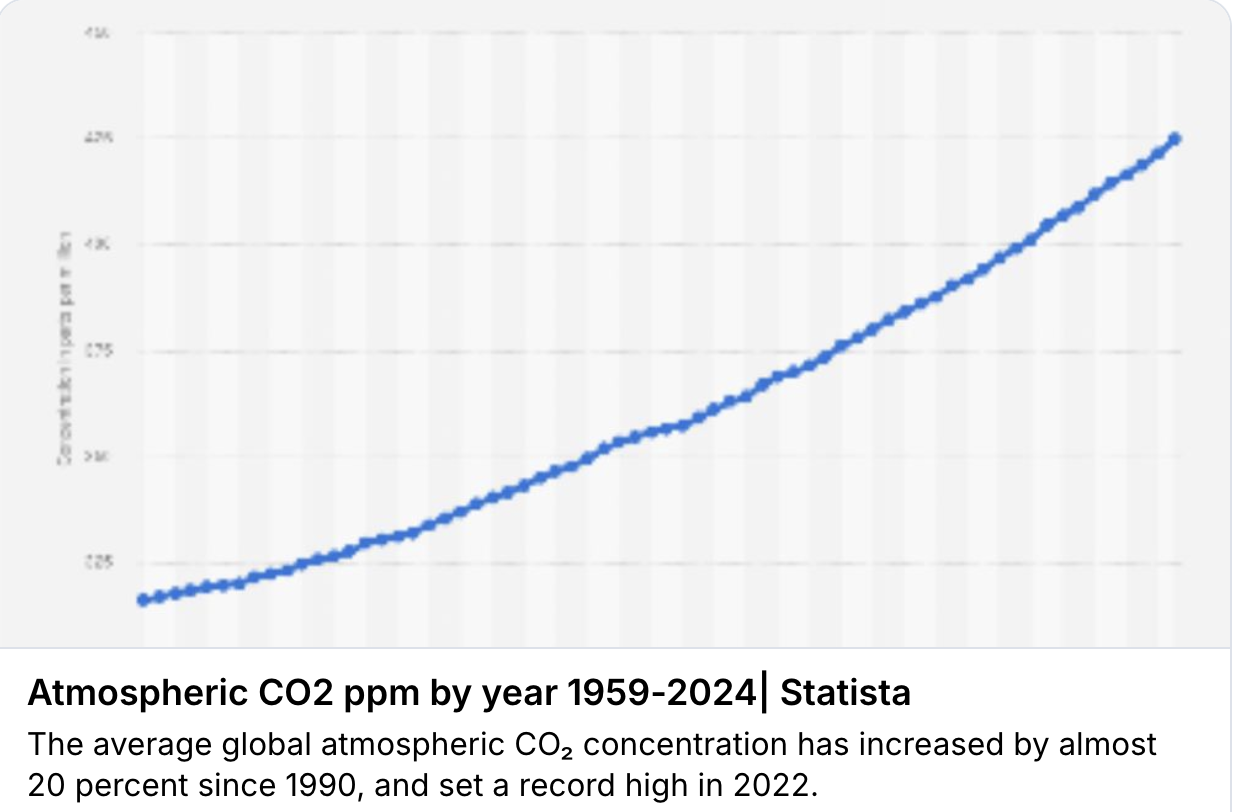
Glacier melt should be part of a stable hydrological cycle, but increasing atmospheric greenhouse gas concentrations are pushing it too far and creating vicious feedback loops.
Environmental changes like more frequent storms and air pollution are depositing black carbon, dust and sand on glaciers, darkening them and reducing their ability to reflect sunlight.
This accelerates ice melt, causing permafrost to thaw and release additional greenhouse gases, spurring more warming.”
i.e It’s now become a vicious reinforcing circular loop owing to the planet’s continual level of human induced global warming
Our glaciers are already thinning seven times faster now than 20 years ago.

Scientists have been desperately trying to bang the drum on this to little avail.
And a few years ago, then Green Party co-leader James Shaw stood up in Parliament to again call for bipartisan recognition and action:
“If we do not act, it will get worse”
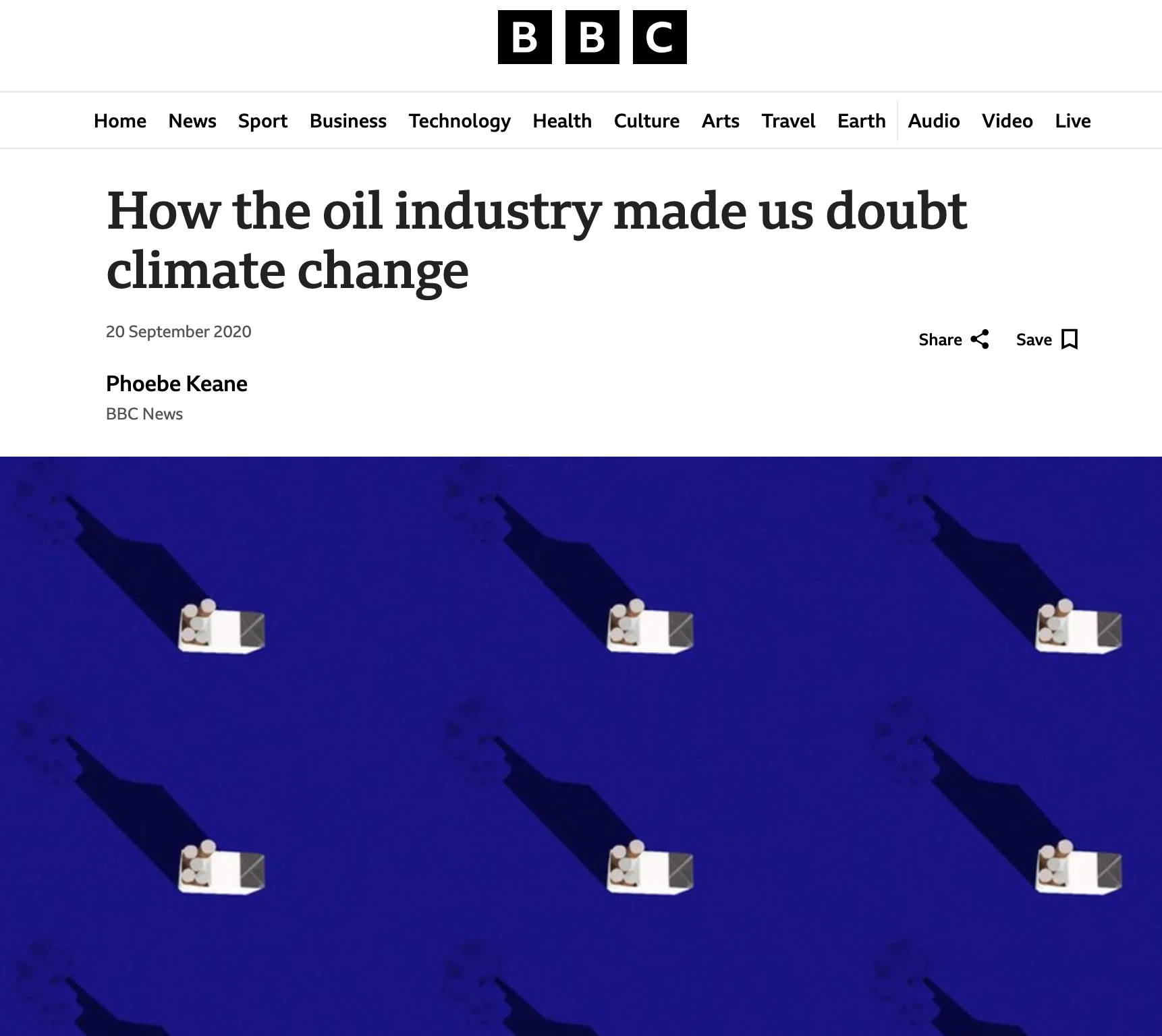
Except of course, the fossil fuel industry and think tank networks haven’t spent billions of dollars sowing climate change skepticism for nothing.
No sirree!
The world’s governments i.e. taxpayers subsidised fossil fuels (oil and gas) to the tune of US$7 trillion dollars (NZD $11.6 trillion) annually in recent years.
That’s a lot of money that could be better spent on renewables.
And in Australia, solar is taking off, with even local supermarkets selling panels. Power prices are plummeting in South Australia as it nears 100% renewables, with electricity prices tumbling by 30 per cent in a year and sometimes going negative.
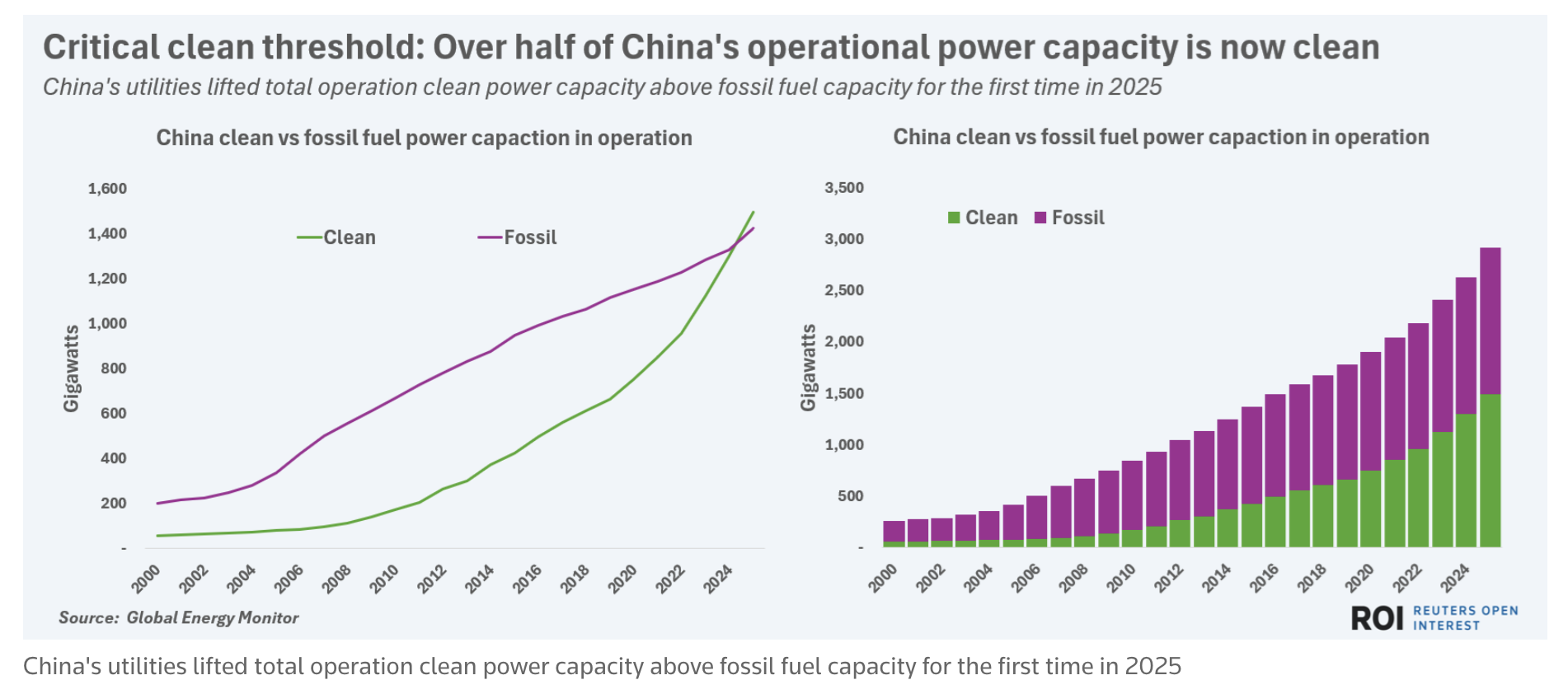
China is adding more renewable energy than any country, and is now deploying more clean energy capacity than fossil fuels for the first time last year.
Denmark is also leading the way, sourcing 88% of its power from renewable sources in 2024, and racing towards 100% by 2030. Wind alone provides 58% of the country’s power, thanks to more than 50 years of community leadership in wind projects. For nearly 15 years the Danish government has required all new wind projects to be at least 20% community owned. Now, more than half of Denmark’s wind generation capacity is owned by the community, helping to ensure its citizens benefit from the shift to renewables and building social licence for a rapid rollout.1
i.e. Countries without a significant degree of government capture appear to be forging ahead on the clean energy path.
And are being rewarded for it.

The fossil fuel industry is led by the likes of Australia’s richest woman, Gina Rinehart, America’s Koch, Russian oligarchs, corporates like BP, Shell, and extensive Middle Eastern oil interests.
Its interests often intersect with alt right government policies.
Closer to home, think of National’s inexplicable, non-science backed, costly choice to tax Kiwi households and businesses to subsidise a multi-billion dollar LNG facility, which Chris Luxon admitted no-one apart from the fossil fuel industry agreed with and which Newsroom has reported will immediately lift gas prices for everyone.
Or this Coalition’s shared climate and environmental laws which were aptly summarised as “Let it burn” by a leading New Zealand analyst.
In other words - the Government’s move to disestablish the Ministry of Environment should come as no surprise.
It’s simply the natural progression of a government that is following in the creed and ideology of Donald Trump in the States, and alt-right parties globally.
While the ostensible line is to merge departments to streamline and “insert standard rhetoric about efficiency”, the reality is it subsumes environmental considerations and advocacy, de-prioritises environmental facts and responsibility, and allows politicians to go against “official advice” - because that advice is subsumed further down the chain.
Separate Ministries allow resources to concertedly study a field of impact, and report on implications within their relevant area - whether people, environment, economy and community well being.
It puts the onus on Cabinet to evaluate often conflicting information and puts decisions, and objective considerations, clearly on the public record.
But not if National/ACT/NZ First have their way.
Penny Simmonds, the “Environment” Minister who said New Zealand had swung too far to the environment, is leading the disestablishment, but make no mistake - its architect is Chris Bishop, as reported last year.
Chris Hipkins won’t commit to this plan either, but submissions and public input will be important here.
Despite the government ignoring submissions with 98% + opposition almost each and every time, and knowing that it is in their interests to continue to demotivate and disenfranchise democratic processes, it’s still important to partake.
Your input, as small or as large as you wish, will help future Governments and opposition parties let them know what Kiwis really think.
Stay tuned, folks.
Thanks for reading today.
Thanks for reading! This post is public so feel free to share it.
Related:
 Mountain Tūī
 Mountain Tūī
Source: Climate Council and Denmark Government ↩